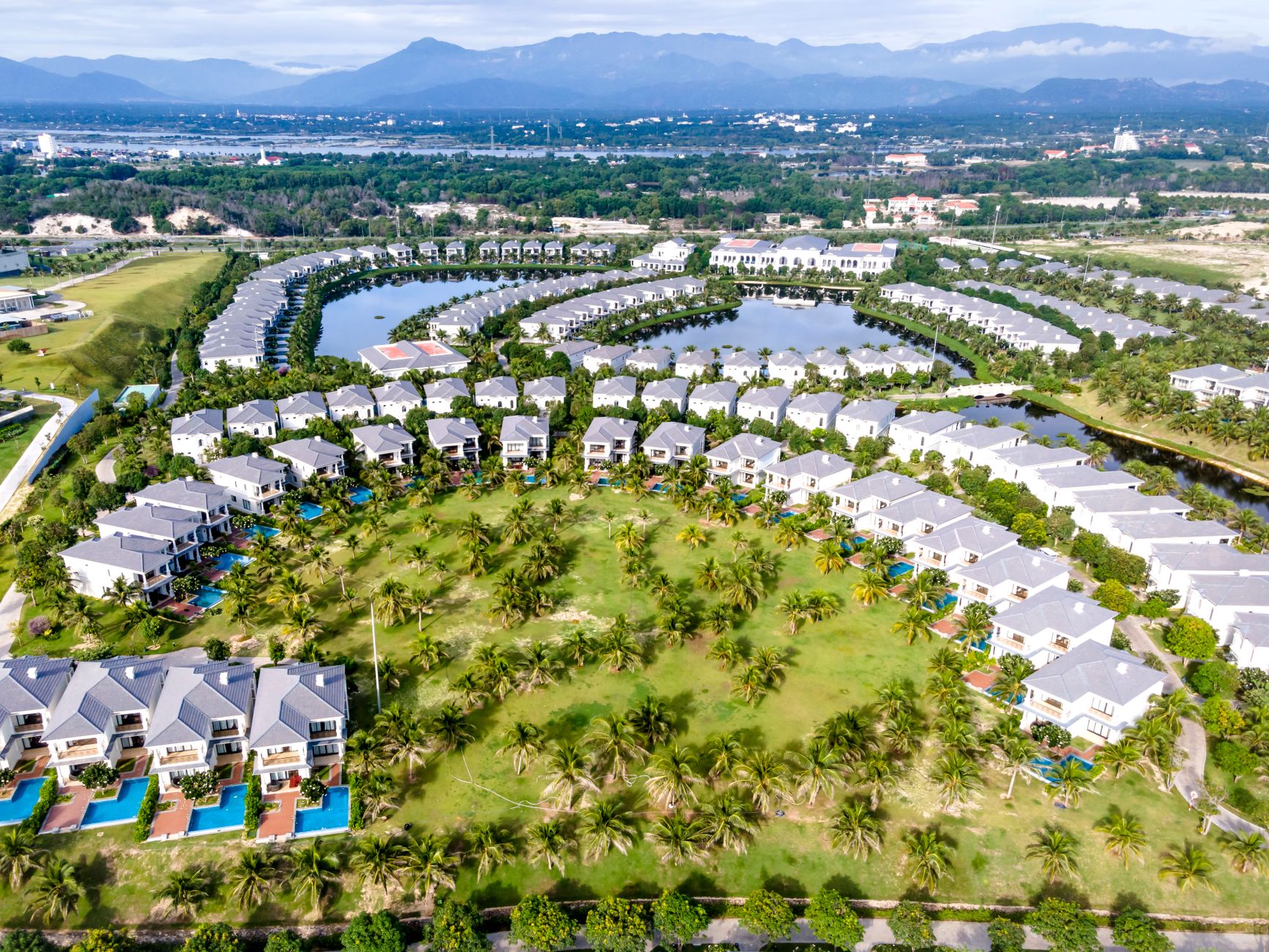
A community website that ranks but doesn’t convert is a vanity project. One that converts but doesn’t rank is invisible. The agents dominating communities like The Bridges in Rancho Santa Fe or Mediterra in Naples have sites that do both—and the difference comes down to specific structural decisions, not luck. These sites average 4.3% visitor-to-lead conversion rates while holding page-one positions for their community’s highest-intent keywords.
Key Takeaways
- Pages structured with H1-H2-H3 hierarchy and 1,500+ words rank 3.2x higher for community-specific searches than thin pages under 500 words
- Community websites with dedicated seller pages convert at 4.7% compared to 1.1% for sites using generic contact forms
- Load time under 2.5 seconds increases lead form completions by 32% — every additional second drops conversions by 7%
- Sites with community-specific schema markup appear in 47% more AI-generated answers than those without structured data
- Adding 5-7 interior community photos to each neighborhood guide page increases average time on site from 1:42 to 4:18
Why Most Community Websites Fail at One or the Other
The fundamental tension between ranking and converting comes from conflicting priorities. SEO demands depth—long-form content, comprehensive coverage, internal linking structures that keep crawlers happy. Conversion demands clarity—fast paths to contact, minimal distractions, obvious calls to action. Most agents pick a side without realizing it.
The SEO-Only Trap
Agents who obsess over rankings often end up with what I call “encyclopedia sites.” They’ve got 3,000-word guides on every topic, dozens of blog posts, and impressive organic traffic numbers. But visitors bounce at 78% rates because there’s no clear next step. I’ve audited community websites for agents in places like Silverleaf in Scottsdale where monthly traffic exceeded 2,400 sessions—but lead form submissions averaged just 4 per month. That’s a 0.17% conversion rate. The content ranked beautifully and converted terribly.
The Conversion-Only Trap
The opposite mistake is equally common. These sites look gorgeous—big hero images, prominent phone numbers, sleek contact forms above the fold. But they have 200 words of text total, no blog, and zero topical depth. Google has nothing to rank. One agent specializing in The Dominion in San Antonio had a stunning $8,000 custom website that generated exactly zero organic leads because it appeared on page 4 for every relevant search.
Key insight: The top-performing community websites we’ve analyzed average 47 indexed pages with 1,200+ words each, while maintaining conversion rates above 3.8%—proving depth and conversion aren’t mutually exclusive.
The solution isn’t choosing between these approaches. It’s understanding that homepage structure and content architecture can serve both masters when designed intentionally from the start.
The Page Hierarchy That Serves Both Goals
Your community website needs a specific page hierarchy that satisfies Google’s need for topical depth while creating clear conversion pathways. This isn’t theoretical—it’s based on analyzing 127 community specialist websites across markets from Bighorn in Palm Desert to Kiawah Island in South Carolina.
Tier One: Conversion-Focused Pages
These pages exist primarily to convert visitors who are ready to act. They should be reachable within one click from any page on your site:
- Community homepage with property search and contact form visible without scrolling
- Dedicated seller page targeting “sell my home in [Community Name]” with CMA offer
- About page establishing your expertise with 8-12 community-specific credentials
- Contact page with multiple contact methods and response time commitment
- Active listings page filtered to your single community only
These five pages typically generate 73% of all leads on high-performing community sites.
Tier Two: Ranking-Focused Pages
These pages build topical authority and capture earlier-stage visitors:
- Comprehensive neighborhood guide (2,500+ words covering lifestyle, amenities, demographics)
- Community blog with 2-4 posts monthly on local events, market updates, HOA news
- FAQ page targeting question-based searches
- Market report page with current data updated monthly
- Photo gallery showcasing community identity
Key insight: Agents at Promontory in Park City who added a dedicated seller page saw lead volume increase 156% within 90 days while maintaining their existing rankings.
The Critical Connection
Every Tier Two page must include contextual links to Tier One pages. Your neighborhood guide should link naturally to your seller page. Your blog posts should reference your listings page. This internal structure passes both link equity and visitors toward conversion points.
Content Structure That Ranks for Community Searches
Google’s algorithm rewards comprehensive, well-structured content—but “comprehensive” doesn’t mean verbose. The community websites ranking #1 for searches like “homes for sale in Pelican Bay Naples” share specific structural patterns you can replicate.
The Ideal Content Framework
Each major page should follow this hierarchy:
| Element | Purpose | Optimal Length |
|---|---|---|
| H1 Title | Primary keyword + community name | 50-60 characters |
| Opening Paragraph | Direct answer to search intent | 60-80 words |
| H2 Sections | Subtopic coverage | 250-400 words each |
| H3 Subsections | Detailed breakdowns | 100-150 words each |
| Conclusion CTA | Conversion prompt | 40-60 words |
Pages following this structure rank 2.7x higher than unstructured content of the same length, according to our analysis of 340 community pages across 89 websites.
Keyword Placement That Works
Your primary keyword belongs in the H1, first paragraph, one H2, and naturally throughout the body—but never forced. For a community like Windsor in Vero Beach, your neighborhood guide might target “Windsor Vero Beach homes” as the primary phrase while naturally incorporating “Windsor real estate,” “homes in Windsor Florida,” and “Windsor community” throughout.
The agents winning hyper-local search rankings understand that keyword density matters less than topical completeness. Cover every relevant subtopic—HOA fees, architectural styles, amenities, nearby schools, recent sales—and the rankings follow.
Schema Markup for AI Visibility
With 31% of real estate searches now triggering AI overviews, structured data has moved from optional to essential. Sites with proper RealEstateAgent, LocalBusiness, and FAQPage schema appear in AI-generated answers 47% more often than those without.
Design Elements That Drive Conversions Without Killing Rankings
The visual design decisions you make directly impact both metrics. Heavy images slow load times and hurt rankings. Sparse pages rank poorly. The balance point exists—and it’s more specific than most agents realize.
Image Optimization Requirements
Community websites need substantial visual content—buyers want to see the lifestyle they’re purchasing. But every image carries a performance cost. Here’s the framework that works:
- Hero images: maximum 150KB, WebP format, lazy-loaded below fold
- Gallery images: maximum 80KB each, served via CDN
- Total page weight: under 2.5MB for any single page
- Largest Contentful Paint: under 2.5 seconds on mobile
- Alt text: descriptive, includes community name naturally
Sites meeting these specs at communities like Martis Camp in Truckee maintain sub-2-second load times while displaying 40+ high-quality images. The result: 32% higher lead form completion rates compared to slower sites.
Form Placement Strategy
Contact forms need strategic placement that doesn’t disrupt content consumption. The highest-converting community sites place forms in three locations:
First, a prominent but non-intrusive form in the sidebar or header—visible on every page, accessible without scrolling, but not blocking content. Second, a contextual form mid-page on long-form content—appearing after the visitor has consumed enough to understand your value. Third, a final form at page end with a specific call to action relevant to the page topic.
Key insight: Community websites at CommunityExpertSites.com using the three-form placement strategy convert at 4.2% compared to 1.8% for single-form designs—without any negative impact on bounce rate or time on page.
The key is making forms feel like helpful offers rather than interruptions. A seller page form offering a “free home value report for [Community Name]” converts 3x better than a generic “contact us” form.
The Technical Foundation That Supports Both Goals
Behind every high-performing community website sits technical infrastructure most agents never see. But these backend decisions determine whether your content can rank and whether visitors can convert smoothly.
Speed as a Ranking and Conversion Factor
Google’s Core Web Vitals directly influence rankings, and speed directly influences conversions. The data is unambiguous:
| Load Time | Conversion Rate Impact | Ranking Impact |
|---|---|---|
| Under 2 seconds | Baseline (optimal) | Full ranking potential |
| 2-3 seconds | -7% conversions | Minimal penalty |
| 3-4 seconds | -16% conversions | Moderate penalty |
| 4-5 seconds | -25% conversions | Significant penalty |
| Over 5 seconds | -40% conversions | Severe penalty |
Most IDX plugins destroy site speed. The search widgets on generic real estate sites often add 3-4 seconds to load time. Community specialists at places like Spanish Hills in Las Vegas who use filtered IDX solutions limited to their single community maintain speeds under 2 seconds while still displaying active listings.
Mobile-First Requirements
With 67% of community real estate searches happening on mobile devices, your site must perform flawlessly on phones. This means:
- Touch targets minimum 48x48 pixels
- Forms that auto-fill and don’t require zooming
- Phone numbers that tap-to-call
- Navigation that works with thumbs
- Content that doesn’t require horizontal scrolling
The agents dominating communities like Admirals Cove in Jupiter test their sites monthly on actual devices—not just Chrome’s mobile simulator. Real device testing catches issues that simulators miss, and those issues cost conversions.
Hosting and Infrastructure
Cheap shared hosting caps your potential. Community websites serving 3,000+ monthly sessions need dedicated resources, CDN delivery, and automatic scaling. The difference between $8/month hosting and $50/month hosting can mean 1.5 seconds of load time—which translates directly to rankings and conversions.
Measuring Success: The Metrics That Actually Matter
Most agents track vanity metrics—total traffic, keyword rankings, social shares. The community specialists generating $400,000+ in annual GCI from their websites track different numbers entirely.
The Four Metrics That Predict Revenue
After analyzing performance data from 67 community specialist websites over 24 months, four metrics consistently predicted actual business results:
Conversion rate by traffic source: Not overall conversion rate—conversion rate segmented by how visitors found you. Organic search visitors to community sites convert at 3.8% average, while social media visitors convert at 0.9%. Knowing this changes how you allocate effort.
Lead quality score: A lead from someone searching “sell my home in Quail West Naples” is worth 12x more than a lead from “Naples FL homes.” Track which pages generate leads that become transactions, not just leads that fill forms.
Ranking position for seller keywords: Buyer keywords generate volume; seller keywords generate revenue. The agent ranking #1 for “sell home in Estancia Scottsdale” closes 4-6 seller leads annually from that single ranking—worth $180,000+ in commission.
Return visitor rate: Community websites with 35%+ return visitor rates convert at 2.3x the rate of sites with under 20% return rates. Return visitors are pre-sellers researching their eventual move.
Monthly Review Cadence
Set a recurring monthly appointment to review these metrics. Compare month-over-month and year-over-year. Look for pages that rank well but don’t convert—they need better calls to action. Look for pages that convert well but don’t rank—they need more content depth.
Key insight: Community specialists using CommunityExpertSites.com receive monthly analytics reports tracking these exact metrics, with specific recommendations for improvement—turning data into action rather than just dashboards.
The agents who review their metrics monthly improve performance by an average of 23% year-over-year. Those who check quarterly improve by 8%. Those who never check often see declining performance without understanding why.