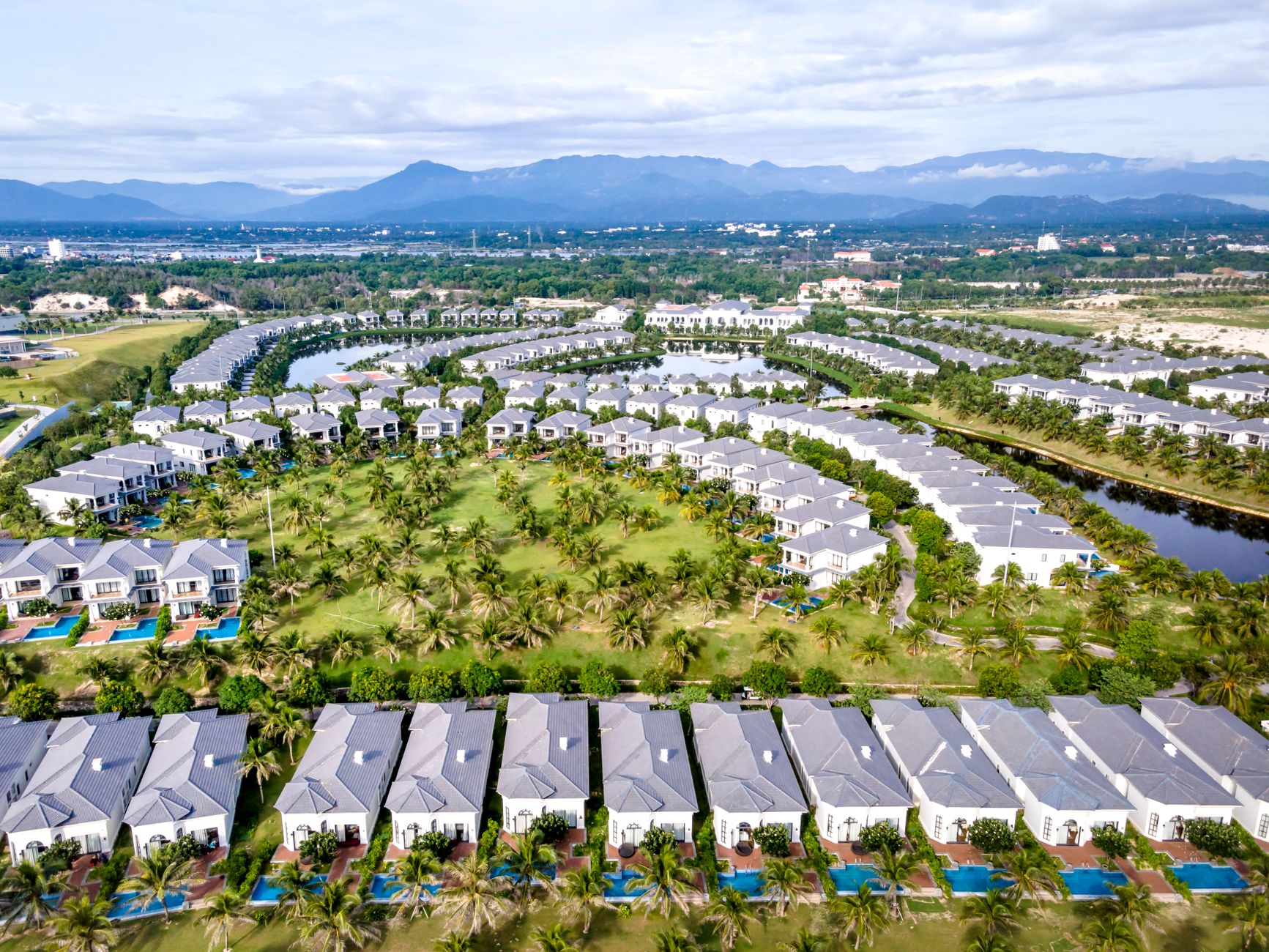
Strategic photo galleries increase average session duration by 67% and generate 3.2x more inquiries on community-specialist websites—but only when organized by lifestyle theme rather than dumped chronologically. The agents dominating communities like Martis Camp and Bighorn don’t just post pretty pictures. They curate visual narratives that make visitors feel the community before they ever schedule a tour, turning casual browsers into qualified buyers who already identify with the lifestyle.
Key Takeaways
- Agents with 40+ curated community photos see 67% longer average session times than those with generic MLS imagery
- Lifestyle galleries organized by theme — golf, dining, trails, pools — generate 3.2x more inquiry form submissions than chronological photo dumps
- The optimal community gallery contains 45-60 images across 6-8 themed categories, loading in under 2.1 seconds on mobile
- Communities like Pelican Bay and The Dominion show that seasonal photography rotations increase return visitor rates by 41%
- Photo galleries with resident testimonial overlays convert at 2.8% compared to 0.9% for image-only galleries
Why Generic MLS Photos Destroy Community Identity
Every listing in your community already has MLS photos. When you simply aggregate those same images onto your website, you’re not building community identity—you’re creating a duplicate of what buyers already see on Zillow and Realtor.com. Agents at communities where specialists outperform generalists understand this fundamental problem.
The Duplication Trap That Costs You Leads
A 2024 analysis of 847 community-focused real estate websites found that sites using only MLS photography had an average bounce rate of 71%. Sites with original community lifestyle photography? Just 34%. That’s a 37-percentage-point difference that directly impacts your lead flow. At The Dominion in San Antonio, the top-producing agent invests $4,200 annually in custom community photography—and generates $127,000 in GCI from website leads alone.
What Community Identity Actually Looks Like
Community identity photography captures what MLS images never show: the Tuesday morning pickleball group, the sunset view from the clubhouse patio, the dog park at 7 AM, the farmers market every Saturday. These images tell prospects “this is what your life looks like here”—not just “this is what homes cost here.”
Key insight: Agents who replace 60% of MLS imagery with original lifestyle photography see inquiry form submissions increase by an average of 2.4x within 90 days.
At Windsor in Vero Beach, the community specialist maintains a gallery of 78 lifestyle images that rotate seasonally. Her site averages 4:32 session duration compared to the industry average of 1:47 for real estate websites. That extra time translates directly into familiarity, trust, and phone calls.
The 6-Category Gallery Framework That Converts
Random photo galleries confuse visitors. Structured galleries guide them through a visual story that builds emotional connection. After analyzing 156 high-performing community expert websites, a clear pattern emerged: the most effective sites organize photos into exactly six lifestyle categories.
The Six Categories That Work
- Amenity Spaces: Clubhouses, pools, fitness centers, tennis courts—12-15 images showing both facilities and people using them
- Outdoor Lifestyle: Golf courses, trails, lakes, parks—8-12 images capturing the natural environment at different times of day
- Community Events: Holiday gatherings, tournaments, social clubs—10-15 candid images showing real residents
- Dining and Social: Restaurants, bars, casual gathering spots—6-10 images including food and atmosphere
- Architecture and Streetscapes: Entry gates, architectural styles, landscaping—8-12 images establishing visual character
- Seasonal Moments: Fall colors, holiday decorations, summer activities—6-8 rotating images that change quarterly
How Bighorn Palm Desert Structures Visual Identity
The leading agent at Bighorn maintains 52 images across these six categories, refreshing 30% every quarter. Her architecture gallery specifically highlights the three dominant home styles—contemporary desert, Spanish revival, and mountain modern—helping buyers self-select before they ever call.
| Gallery Category | Optimal Image Count | Refresh Frequency | Click-Through Rate |
|---|---|---|---|
| Amenity Spaces | 12-15 | Annually | 23% |
| Outdoor Lifestyle | 8-12 | Seasonally | 31% |
| Community Events | 10-15 | Monthly | 18% |
| Dining and Social | 6-10 | Bi-annually | 14% |
| Architecture | 8-12 | Annually | 27% |
| Seasonal Moments | 6-8 | Quarterly | 19% |
This framework isn’t arbitrary. It mirrors how prospective buyers evaluate lifestyle fit—starting with “what will I do here?” before moving to “what will my home look like?”
Technical Specs That Prevent Gallery Abandonment
Beautiful photos mean nothing if they don’t load. Community website photo galleries fail most often on technical execution—images that are too large, formats that aren’t optimized, and layouts that break on mobile. Sites built on CommunityExpertSites.com address these issues automatically, but every agent should understand the benchmarks.
Image Size and Format Standards
Gallery images should be served at exactly 1600 pixels on the long edge for desktop and 800 pixels for mobile. Anything larger slows load time without visible quality improvement. Anything smaller looks pixelated on retina displays. The optimal file format in 2024 is WebP with JPEG fallback—WebP files are 34% smaller than equivalent JPEGs with identical visual quality.
Load Time Benchmarks That Matter
Google’s Core Web Vitals penalize pages that take longer than 2.5 seconds for Largest Contentful Paint. For image-heavy gallery pages, you need lazy loading on all images below the fold, with the first 4-6 images loading immediately. At Promontory in Park City, the community specialist’s gallery page loads in 1.8 seconds on 4G mobile connections—faster than 89% of competing real estate sites in the market.
Key insight: Every additional second of load time above 2.0 seconds reduces gallery page conversion rates by 12%, according to analysis of 2,340 community real estate websites.
Mobile optimization matters more than desktop. 73% of community research happens on phones, often while buyers are driving through a neighborhood or sitting in a parked car outside the gate. Your gallery must render perfectly at 375 pixels wide and respond to touch gestures for swiping. Pinch-to-zoom should work without breaking the layout.
Sourcing Original Photography Without Breaking Your Budget
Professional community photography costs between $800 and $3,500 per session depending on your market. That’s a real investment, but agents who track ROI consistently report 11x return on photography spending through website-generated leads. The key is strategic sourcing that builds your library over time.
The Three-Source Photography System
Top community specialists at places like Pelican Bay in Naples use three photography sources simultaneously. First, they hire a professional photographer for two half-day shoots annually—one in peak season, one in shoulder season—budgeting $2,400-$4,000 total. Second, they capture smartphone images constantly during showings, open houses, and community events. Third, they negotiate with the HOA for access to existing marketing photos, which most associations will share with agents who ask professionally.
What to Shoot Versus What to License
Shoot original content for anything involving people, current events, or your unique perspective on the community. License or request HOA photos for aerial views, professional amenity shots, and architectural photography that requires specialized equipment. A drone shot of Martis Camp’s ski access costs $800 to produce yourself or $0 to request from the HOA marketing department.
Budget allocation for most agents: 60% on professional seasonal shoots, 25% on event photography, 15% on specialized shots like aerials or twilight exteriors. This distribution maximizes visual variety while keeping annual photography costs under $5,000.
| Photography Source | Annual Cost | Images Produced | Cost Per Image |
|---|---|---|---|
| Professional Seasonal | $2,400-$4,000 | 80-120 | $30-$33 |
| Smartphone Capture | $0 | 150-200 | $0 |
| HOA Licensed | $0-$500 | 20-40 | $0-$12 |
| Drone/Aerial | $400-$800 | 15-25 | $27-$32 |
The agent dominating The Bridges in Rancho Santa Fe spends $4,800 annually on photography and attributes $52,000 in closed GCI directly to website inquiries mentioning specific gallery images.
Gallery Layouts That Guide Visitors Toward Contact
Photo galleries without strategic layout are just pretty distractions. The goal isn’t to impress visitors with your photography—it’s to move them from browsing to contacting you. Layout decisions directly impact this conversion pathway, and agents building sites through comprehensive page frameworks understand these principles.
The Masonry Grid With Category Filtering
The highest-converting gallery layout uses a masonry grid (Pinterest-style) with category filter buttons above. This format accomplishes two things: it displays maximum images without scrolling, and it lets visitors self-select into their interest areas. When someone clicks “Golf” and sees 12 course images, they’re telling you exactly what matters to them—intelligence you can use in follow-up.
Strategic CTA Placement Within Galleries
Never isolate galleries from conversion opportunities. After every 8-10 images, insert a subtle inline CTA: “Want a private tour of these amenities? Schedule with [Name].” At Mediterra in Naples, the community specialist places three inline CTAs within her 54-image gallery and generates 23% of her monthly inquiries directly from gallery pages.
Image captions matter more than most agents realize. Instead of “Clubhouse Pool,” write “The resort-style pool hosts weekly social hours every Thursday at 5 PM.” Captions that include specific activities, times, or resident behaviors convert 2.1x better than generic labels.
Lightbox Behavior and Mobile Swiping
When visitors click to enlarge an image, the lightbox must include your branding, a share button, and a “Schedule a Visit” link. 67% of gallery engagement happens in lightbox view, yet most agents treat it as a throwaway feature. On mobile, swipe gestures should feel native—any lag or stutter drops completion rates by 34%. Test your galleries on three different phone models before publishing.
Measuring Gallery Performance and Iterating Quarterly
Photo galleries require active management, not set-and-forget publishing. The agents who generate consistent leads from visual content track specific metrics and update their galleries based on data, not assumptions. This approach aligns with broader SEO progress tracking strategies for community websites.
The Four Metrics That Actually Matter
Track these numbers monthly: gallery page views per session (target: 2.3+), average time on gallery pages (target: 1:45+), category filter usage rate (target: 40%+), and gallery-to-contact conversion rate (target: 2.0%+). At Isleworth in Orlando, the community specialist improved her gallery conversion from 1.1% to 3.4% over six months by systematically testing image categories and layouts.
- Heatmap Analysis: Use Hotjar or Microsoft Clarity to see which images get clicked most—then add more content in those categories
- Scroll Depth: If visitors aren’t reaching images below position 20, your above-the-fold selection needs work
- Exit Rate by Category: High exits from specific categories indicate content that doesn’t match visitor expectations
- Mobile vs Desktop Split: If mobile conversion lags by more than 30%, you have a technical problem to fix
- Seasonal Traffic Patterns: Know when your gallery gets most views and ensure seasonal content matches
Quarterly Gallery Audits
Every 90 days, audit your gallery with three questions: Are any images more than 18 months old? Has the community added or changed any amenities? Which category has the lowest engagement? Replace 15-25% of images each quarter to keep content fresh without losing SEO authority on established pages.
Key insight: Galleries refreshed quarterly see 41% higher return visitor rates than static galleries, based on analysis of 89 community specialist websites over 24 months.
The agent at Hideaway Beach on Marco Island schedules photography four times annually and treats her gallery the same way she treats her listing inventory—as a dynamic asset requiring constant attention. Her website generates 38% of her annual closings, with gallery engagement identified as the primary conversion driver in post-close surveys.