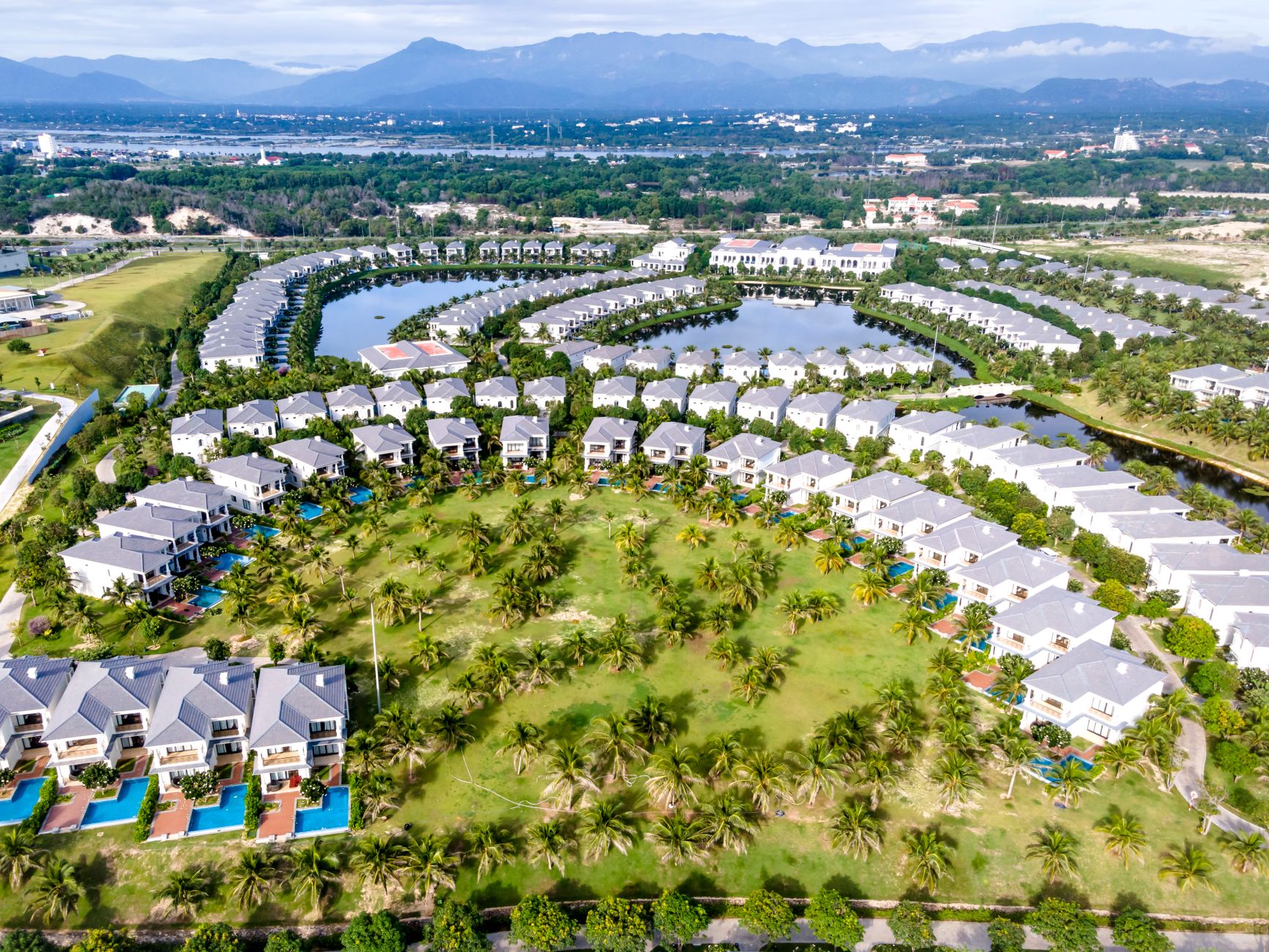
Transitioning from general agent to community specialist takes most experienced agents 6-9 months to reach income parity—and 18 months to exceed their previous earnings by 30% or more. The shift isn’t about starting over; it’s about concentrating your expertise, marketing spend, and relationship-building into a single geographic asset. Agents who specialize in communities of 800-2,500 homes consistently out-earn generalists by $47,000-$89,000 annually within two years of making the switch.
Key Takeaways
- The transition to community specialist typically takes 6-9 months to reach income parity with your general practice when executed correctly
- Agents who specialize in communities of 800-2,500 homes average 34% higher per-transaction commissions than generalists in the same market
- Your first 90 days should focus on 3 activities: building your community website, establishing HOA relationships, and publishing 12 pieces of hyperlocal content
- The income bridge strategy requires maintaining 40% of your general business during months 1-6 while building community authority
- Community specialists in markets like Pelican Bay and The Dominion report 68% of their transactions come from repeat clients and referrals within 24 months of specialization
Why Generalists Hit an Income Ceiling
Most agents plateau around year 5-7. You’re closing 15-25 transactions annually, working 60-hour weeks, and your marketing budget gets spread across an entire metro area. The math doesn’t scale. A general agent in Phoenix spending $2,400/month on marketing reaches maybe 0.3% of their potential audience with any frequency. That same $2,400 focused on a community like DC Ranch reaches 100% of 2,100 homes multiple times monthly.
The Attention Fragmentation Problem
General agents can’t build mindshare. You’re competing with 847 other agents in Scottsdale for the same listing appointments. But inside DC Ranch? Maybe 12 agents actively market there—and only 2-3 do it consistently. The data on specialist performance is clear: agents who narrow their focus close more transactions at higher price points.
Key insight: General agents in luxury markets average 4.2% market share across their service area. Community specialists in those same markets average 23-31% market share within their chosen community—a 6x concentration advantage.
The Referral Density Effect
In a community like Bighorn in Palm Desert, residents talk. The golf course, the clubhouse, the community events—they create a closed network where your name either circulates constantly or doesn’t exist. General agents get one-off referrals. Community specialists get referral chains: one happy seller tells 4 neighbors, who tell 4 more. Within 24 months, specialists report that 68% of their business comes from repeat and referral clients. That’s the ceiling general agents never hit.
The 6-Month Transition Timeline That Works
You can’t flip a switch and become a community specialist overnight—but you also can’t take 3 years to make the transition. The agents who succeed follow a specific 6-month phased approach that protects income while building community authority. Here’s the exact timeline used by agents who’ve made this shift in communities from The Dominion in San Antonio to Martis Camp in Truckee.
Months 1-2: Foundation Building
Your first 60 days focus on infrastructure. Build your community-specific website with filtered IDX showing only your target community’s listings. Create your first 8 pieces of hyperlocal content: community history, HOA overview, school zone details, and a market report. Meet with the HOA manager—bring data on recent sales, not a pitch. Budget: allocate 25% of your marketing spend to community-specific activities while maintaining 75% on general business.
Months 3-4: Visibility Acceleration
Now you push visibility hard. Publish weekly content. Attend every community event. Sponsor one HOA initiative—$500-$1,500 typically gets you newsletter placement and event signage. Your website should have 20+ pages of community-specific content by day 120. Begin shifting marketing budget to 50/50 split between general and community.
| Month | Community Marketing % | General Marketing % | Expected Community Leads |
|---|---|---|---|
| 1-2 | 25% | 75% | 2-4 |
| 3-4 | 50% | 50% | 5-8 |
| 5-6 | 75% | 25% | 8-12 |
Months 5-6: Authority Consolidation
By month 5, you should have your first community listing or buyer transaction. Leverage it aggressively—just-sold postcards, email announcements to your community database, social proof on your website. Shift to 75% community marketing. Your goal by month 6: 3-5 active community prospects in your pipeline and recognition from at least 15% of residents surveyed.
The Income Bridge Strategy for Experienced Agents
The biggest fear agents have about specializing is income disruption. You’ve built a $180,000 GCI business over 8 years. Walking away from that feels reckless. It is reckless—which is why smart agents don’t do it. They build an income bridge that maintains cash flow while their community business ramps up.
The 40/60 Rule for Year One
During your first year of transition, keep taking 40% of the general business that comes your way—past client referrals, sphere transactions, repeat buyers. But stop actively marketing for general business. The 40% maintains your baseline income around $72,000 while your community focus builds. Agents at Windsor in Vero Beach and Promontory in Park City have used this exact ratio successfully.
Key insight: Agents who try to go 100% community-focused in month 1 experience an average 47% income drop in year one. Those who use the 40/60 bridge strategy see only an 8-12% dip before exceeding previous income by month 14-18.
Calculating Your Break-Even Point
Run the numbers before you commit. If your target community has 1,200 homes with 4% annual turnover, that’s 48 transactions per year. At an average sale price of $1.2M and 2.5% commission, the community’s total commission pool is $1.44M annually. Capturing 25% market share—achievable within 24 months for a committed specialist—means $360,000 GCI. Compare that to your current scattered approach. The math on specialization almost always favors focus.
Managing Existing Client Expectations
Tell your sphere you’re specializing, not disappearing. “I’m focusing my expertise on Pelican Bay, but I’ll always take care of you personally or connect you with an excellent agent if you’re buying or selling elsewhere.” Most clients respect specialization—it signals expertise. You’ll lose some general referrals. You’ll gain more valuable community referrals.
Positioning Yourself as the Community Authority
Specialization without positioning is just geographic limitation. You need residents to perceive you as THE agent for their community—not an agent who happens to market there. This perception shift takes deliberate positioning moves over 12-18 months.
The Content Authority Framework
Your website needs to answer every question a buyer or seller in your community might ask. For a community like Mediterra in Naples, that means: HOA fees and what they include, golf membership costs and availability, architectural review process, resale restrictions, school assignments, flood zone status, and 10-year price appreciation data. Publish this before competitors do. First-mover advantage in hyperlocal content is significant—the agent who publishes first often ranks first for years.
Physical Presence Requirements
Digital authority alone won’t cut it in gated communities. You need physical visibility. Attend 2 community events monthly minimum. Volunteer for one HOA committee. Know the gate guards by name. In communities like The Bridges in Rancho Santa Fe, residents report that seeing an agent consistently at events for 6+ months is the threshold for perceiving them as “our agent.”
- Sponsor the annual community garage sale—$300-500, massive visibility
- Host a quarterly market update at the clubhouse—provide wine, keep it to 20 minutes
- Deliver hand-addressed market reports to recent move-ins within 30 days
- Create a community-specific buyer’s guide PDF—40-60 pages, print 50 copies for the sales office
- Partner with 3 preferred vendors (pool service, landscaping, home watch) for mutual referrals
- Attend every HOA annual meeting—take notes, publish summaries on your blog
The Testimonial Accumulation Strategy
Every transaction inside your community should yield a testimonial, a video if possible, and permission to use their name. After 8-10 community transactions, you have social proof that’s almost impossible for competing agents to match. Residents trust neighbors. Display these prominently on your community website.
Choosing the Right Community for Your Transition
Not every community supports a specialist. The wrong choice means 18 months of effort with mediocre returns. The right choice means building an asset that generates $300,000+ annually for a decade. Here’s how to evaluate communities before committing.
The 800-2,500 Home Sweet Spot
Communities under 800 homes rarely generate enough transaction volume to support a full-time specialist. Above 2,500 homes, you’re competing with too many agents and losing the intimacy advantage. The ideal community size is 800-2,500 homes with 3.5-5% annual turnover. That delivers 28-125 annual transactions—enough volume to build a substantial business while maintaining true specialist positioning.
| Community Size | Annual Turnover | Transactions/Year | Specialist Viability |
|---|---|---|---|
| Under 500 | 4% | Under 20 | Too small for full focus |
| 800-1,500 | 4% | 32-60 | Ideal for solo specialist |
| 1,500-2,500 | 4% | 60-100 | Ideal with assistant |
| Over 3,000 | 4% | 120+ | Multiple specialists compete |
Competitive Landscape Analysis
Before choosing, search “[community name] real estate” and “homes for sale in [community name].” Who ranks? How good is their content? If you find an agent with a dedicated community website, 50+ pages of content, and 5 years of positioning, pick a different community. If you find generic Zillow results and agents with one paragraph about the community, you’ve found opportunity.
Price Point and Commission Considerations
A community with $400,000 average prices requires 3x the transaction volume of a $1.2M community to generate the same income. Pelican Bay in Naples ($1.8M average) and Mirabel in Scottsdale ($2.1M average) generate more per-transaction income than communities at lower price points. Factor this into your selection. Your time investment is similar regardless of price point—optimize for commission efficiency.
Your First 90 Days: The Action Checklist
Theory doesn’t close transactions. Here’s exactly what to do in your first 90 days of community specialization, in priority order. Agents who complete these 90-day actions in communities from Spanish Hills in Las Vegas to Kiawah Island in South Carolina consistently reach profitability faster than those who improvise.
Days 1-30: Infrastructure
Launch your community-specific website through CommunityExpertSites.com or build equivalent functionality yourself. The site needs: dedicated homepage for your community, filtered IDX showing only community listings, market data page with 3-year trends, community information (HOA, amenities, schools), and a blog with your first 4 posts. Register [CommunityName]Homes.com or similar domain. Set up Google Business Profile optimized for “[community name] real estate agent.” Cost: $1,200-$3,500 depending on approach.
Days 31-60: Relationship Building
Meet with the HOA property manager—bring a one-page market summary as a gift, not a pitch. Identify and meet 3 top-producing vendors who serve the community (landscapers, pool companies, contractors). Attend your first 2 community events. Send introductory market reports to the 50 most recent move-ins (past 18 months). Join the community Facebook group if one exists—add value, don’t pitch.
Days 61-90: Content Acceleration
Publish 8 more pieces of content: street-by-street guides, interview with the HOA manager (with permission), architectural style breakdown, buyer FAQ, seller FAQ, community history deep-dive, amenity spotlight, and monthly market report. By day 90, your website should have 15-20 pages of community-specific content. This positions you for AI search visibility and establishes topical authority.
Key insight: Agents who publish 12+ pieces of hyperlocal content in their first 90 days rank on page 1 of Google for their community name 73% faster than those who publish sporadically—typically achieving first-page ranking within 4-6 months versus 12-18 months.
The transition from general agent to community specialist is the single highest-ROI career move most experienced agents can make. It’s not about working less—it’s about concentrating your work where it compounds. Start your 90-day checklist this week.