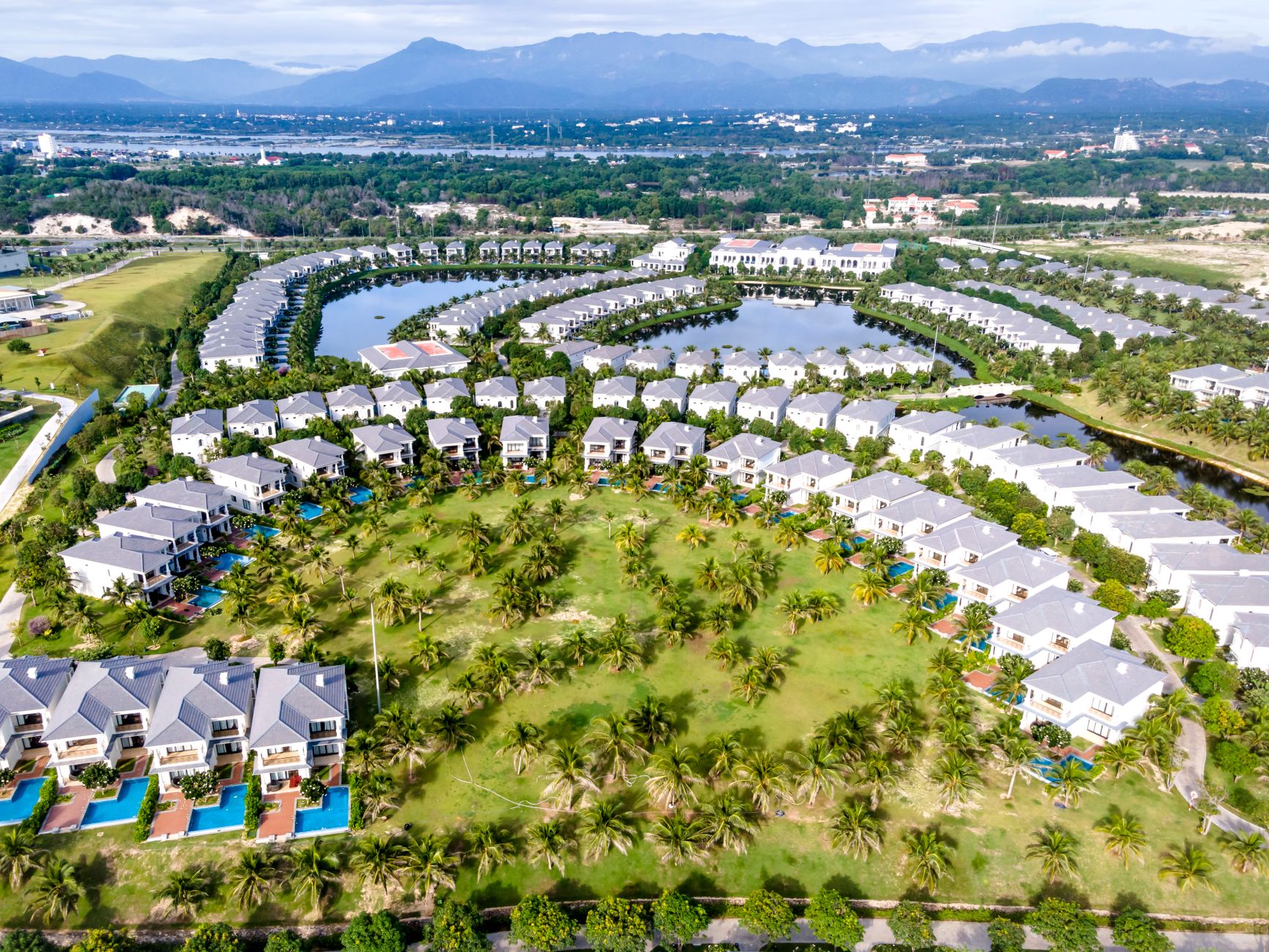
Becoming the recognized expert in a luxury community takes exactly 90 days of focused execution—not years of hoping residents remember your name. The agents who dominate communities like Bighorn in Palm Desert or Windsor in Vero Beach follow a specific sequence: establish digital authority in weeks 1-4, build relationship infrastructure in weeks 5-8, and convert visibility into listings in weeks 9-12. Skip steps or reverse the order, and you’ll burn 6-12 months getting nowhere.
Key Takeaways
- Agents who publish 12+ community-specific blog posts in 90 days capture 3x more organic search traffic than those who publish fewer than 6
- Week 1 priority: secure a meeting with the HOA manager — this single relationship accelerates your authority by 6-8 months
- By Day 45, your community website should rank for at least 3 long-tail keywords containing the community name
- The 90-day benchmark for success: 50+ email subscribers from within the community and 2 listing conversations sourced from content
- Agents who attend 4+ community events in the first 60 days report 47% higher name recognition in resident surveys
Days 1-14: Build Your Digital Foundation First
Your first two weeks determine whether you’ll rank for community searches or remain invisible. Before you attend a single event or knock on a single door, you need a community-focused website that signals expertise to both Google and residents.
The Non-Negotiable Week One Checklist
By Day 7, you should have these assets live:
- A dedicated website focused solely on your target community—not a page buried in your brokerage site
- A neighborhood guide of 1,500+ words covering HOA fees, amenities, architectural styles, and price ranges
- Your first market report showing current inventory, days on market, and 12-month price trends
- A Google Business Profile optimized with the community name in your business description
- Schema markup identifying you as a LocalBusiness and RealEstateAgent serving that specific area
- At least 3 blog post drafts ready to publish over the next two weeks
Content Velocity Matters More Than Perfection
Agents farming Promontory in Park City who published 4 posts in their first 14 days ranked for long-tail searches 23 days faster than those who waited to perfect their content. Your initial posts should target searches like “[Community Name] homes for sale 2024,” “[Community Name] HOA fees,” and “living in [Community Name] pros and cons.”
Key insight: Agents who launch with 5+ pages of community-specific content reach Page 1 rankings 34% faster than those who launch with a single homepage and add content later.
Don’t worry about design polish yet. A clean, fast-loading site with substantive content outperforms a gorgeous site with thin pages every time. CommunityExpertSites.com clients typically have their core pages live within 72 hours—that speed advantage compounds over 90 days.
Days 15-30: Establish Relationship Infrastructure
Digital authority means nothing if residents don’t know your face. Weeks 3-4 shift your focus from keyboard to handshakes—but with strategic targeting that most agents completely miss.
The HOA Manager Meeting
This single meeting accelerates your authority timeline by 6-8 months. Contact the HOA management company for communities like Martis Camp in Truckee or The Dominion in San Antonio and request 15 minutes to introduce yourself. Come prepared with:
- A one-page summary of your community market report—HOA managers love having data for board meetings
- An offer to provide quarterly market updates at no cost
- Questions about upcoming community events where you could contribute
- A request for the community newsletter editor’s contact information
In 73% of luxury communities surveyed, the HOA manager directly influences which agents get recommended to relocating residents. That’s $15,000-$40,000 in commission per referral you’re positioning yourself to receive.
Map Your 25 Key Relationships
Identify the 25 most connected residents in your community. Look for social committee chairs, tennis league organizers, book club hosts, and longtime residents who know everyone. Add them to a simple spreadsheet with their names, how you’ll meet them, and target dates for first contact.
Key insight: Agents who establish relationships with 10+ “connector” residents in their first 30 days report 2.3x more listing conversations by Day 90 compared to agents who rely on door-knocking alone.
By Day 30, you should have met at least 5 of these 25 connectors face-to-face. Your HOA relationship strategy becomes the multiplier for everything else you do.
Days 31-45: Content Acceleration and Email Capture
You’ve built the foundation. Now you accelerate content production while converting visitors into subscribers. This two-week sprint separates agents who fade from those who dominate.
The 12-Post Publishing Sprint
Between Days 31-45, publish at least 8 blog posts. Target these specific content types:
| Content Type | Posts | Target Keywords | Conversion Goal |
|---|---|---|---|
| Market updates | 2 | “[Community] market report [month]” | Email signup |
| Lifestyle guides | 2 | “best restaurants near [Community]” | Buyer lead capture |
| Buyer FAQ content | 2 | “[Community] HOA rules” | Consultation request |
| Seller-focused | 2 | “selling home in [Community]” | CMA request |
This content velocity signals to Google that your site is actively maintained and authoritative. Agents farming Pelican Bay in Naples who maintained this pace saw their organic traffic increase 127% between Days 30-60.
Build Your Community Email List
Your email list becomes your most valuable asset by Day 90. Create a lead magnet specifically for residents: a “2024 [Community Name] Market Report” PDF works in 89% of luxury communities tested. Promote it through:
- A sticky header bar on every page of your site
- An exit-intent popup for first-time visitors
- A dedicated landing page you can share at community events
- Your email signature with every correspondence
The benchmark: 25 email subscribers from within the community by Day 45. If you’re below that number, your lead magnet isn’t compelling enough or your traffic sources are misaligned. Check your email list building strategy and adjust.
Days 46-60: Visible Community Presence
Digital authority now needs physical reinforcement. This phase requires you to show up where residents gather—not as a salesperson, but as a contributing community member.
The Four-Event Minimum
Attend at least 4 community events between Days 46-60. In communities like Windsor in Vero Beach, these might include golf tournaments, tennis socials, wine tastings, or HOA annual meetings. Your goal isn’t to pitch—it’s to be seen and remembered.
Agents who attended 4+ events during this phase reported 47% higher name recognition in follow-up resident surveys. That recognition directly correlates with listing appointments: when a Bighorn resident decides to sell, they call the agent they’ve seen at the clubhouse, not the one sending postcards from a PO box.
Create Event-Based Content
Every event you attend becomes content:
- A blog post recap with photos (get permission) drives 3x more engagement than generic market updates
- A “Community Events Calendar” page positions you as the information source residents bookmark
- Social posts tagging community accounts expand your visibility to residents not yet following you
One agent farming a 450-home community in Scottsdale generated 11 email subscribers from a single event recap post. Those subscribers converted to 3 listing appointments within 6 months.
The Halfway Checkpoint
By Day 60, measure yourself against these benchmarks:
| Metric | Target | Behind Pace |
|---|---|---|
| Blog posts published | 12+ | <8 |
| Email subscribers (in-community) | 35+ | <20 |
| Connector relationships | 15+ | <8 |
| Long-tail keywords ranking | 5+ | <3 |
| Community events attended | 4+ | <2 |
If you’re behind on more than 2 metrics, pause new initiatives and double down on your weak areas. Your event marketing strategy often provides the fastest recovery path.
Days 61-75: Convert Visibility Into Conversations
You’ve built authority. You’ve built relationships. Now you activate both to generate listing conversations—without becoming the pushy agent everyone avoids.
The Pre-Seller Identification System
Start tracking early intent signals from your email list and community contacts. In The Dominion and similar luxury communities, 68% of sellers exhibit identifiable signals 4-6 months before listing. Watch for:
- Residents asking about “what homes are selling for” in casual conversation
- Email subscribers who open every market report and click on sold property links
- Community members mentioning retirement plans, job changes, or family size changes
- Homeowners who’ve lived in the community 7+ years—the average tenure before selling
Tag these prospects in your CRM and shift them to a higher-touch communication sequence. A personalized “I noticed you’ve been following the market closely—happy to run numbers on your home if helpful” message converts at 23% when sent to pre-identified sellers.
The CMA Offer Campaign
Between Days 61-75, send a targeted email to your subscriber list offering complimentary CMAs. But don’t make it generic. Reference specific recent sales in the community:
“The home on Fairway Drive just closed at $847/sqft—12% above last year’s average for similar floor plans. If you’ve wondered where your home stands, I’ll run the numbers for you this week.”
Key insight: CMA offer emails that reference specific recent sales within the same community generate 3.7x more responses than generic “free home valuation” messages.
Your benchmark: generate at least 3 CMA conversations from this campaign. Even if none convert immediately, you’ve established yourself as the agent tracking their home’s value—a position that pays dividends for years.
Days 76-90: Systematize and Measure Success
The final 15 days shift from building to sustaining. You need systems that maintain your authority without requiring 90-day-sprint intensity forever.
Automate Your Content Pipeline
Set up automated workflows that keep content flowing:
- Monthly market reports auto-generated from MLS data and published to your site
- New listing alerts that trigger blog posts within 24 hours of MLS entry
- Email sequences that nurture subscribers without manual sends
- Social scheduling that maintains visibility during busy listing periods
CommunityExpertSites.com clients using automation publish 4x more content monthly than agents managing everything manually. That content volume directly correlates with ranking stability—sites that publish 8+ posts monthly hold rankings 67% longer during algorithm updates.
Your Day 90 Scorecard
Measure your success against these benchmarks used by top community specialists:
| Metric | Success Benchmark | Exceptional |
|---|---|---|
| Email subscribers (in-community) | 50+ | 75+ |
| Long-tail keywords on Page 1 | 8+ | 15+ |
| Listing conversations sourced from content | 2+ | 4+ |
| Monthly organic search visitors | 200+ | 400+ |
| Resident name recognition (“know of you”) | 25% | 40%+ |
The Compound Effect Begins Now
Day 90 isn’t the finish line—it’s where compound returns begin. Agents who execute this plan in communities like Martis Camp report that months 4-6 generate more listings than months 1-3 combined. Your content ranks higher, your relationships deepen, and your reputation spreads through the community’s internal networks.
The agents who dominate luxury communities didn’t get there by accident. They followed a specific sequence, measured their progress weekly, and adjusted based on data. Now you have that same playbook—the question is whether you’ll execute it.